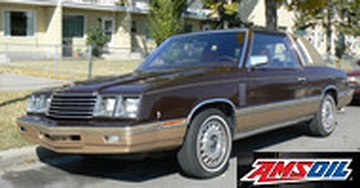
Maintaining Lubrication Standards for the 1982 Dodge 400 2.6L
Proper engine maintenance is a cornerstone of long-term vehicle health, particularly when managing an engine that has been in operation for several decades. For the 1982 Dodge 400 equipped with the 2.6L engine, consistent attention to lubrication and routine inspections can help ensure the mechanical components continue to operate as intended.Monitoring Fluid Integrity and Condition
One of the most effective ways to monitor the health of an engine is through regular observation of its fluids. While many owners focus solely on the quantity of oil, the actual condition of the lubricant provides significant insight into the internal state of the engine. When performing routine checks, it is useful to observe the color and texture of the oil. Extremely dark or gritty oil may indicate that the lubricant has been subjected to heavy thermal stress or that contaminants are present. If you notice any unusual odors coming from the crankcase area, this warrants further investigation. Additionally, checking for signs of fluid seepage around various gaskets and seals is a practical habit. While some level of seepage can occur as components age, identifying these areas early allows for more controlled maintenance decisions rather than reacting to sudden leaks.Practical Inspection Priorities for Aging Engines
As vehicles move through higher years of service, the focus of maintenance often shifts from simple part replacement to condition-based monitoring. For a 1982 Dodge 400, this means looking at how materials are holding up under current operating conditions. If equipped, inspecting accessible drive belts for signs of wear—such as cracking, glazing, or fraying—is a prudent step during any service interval. Similarly, if the vehicle is equipped with various rubber hoses, checking them for softness, brittleness, or bulging can prevent unexpected failures. It is also beneficial to examine electrical connections and wiring harnesses for signs of corrosion or heat-related degradation. Ensuring that connectors are secure and free of debris helps maintain stable electrical performance across all engine-related sensors and components. Rather than assuming a part needs replacement based solely on the age of the vehicle, use these visual cues to prioritize which components require closer attention.Managing Maintenance Records and Baselines
For many owners of older vehicles, a complete service history may not be readily available. In such cases, the first step in effective maintenance is establishing a baseline. This involves performing a thorough inspection of all current fluid levels, seal conditions, and mechanical components to document the "starting point" of the vehicle's current state. Once this baseline is established, keeping a detailed log of all subsequent services—including the dates, mileage, and specific products used—becomes invaluable. A well-maintained record allows you to:- Identify patterns in fluid consumption or leakage.
- Track the interval between various service tasks.
- Distinguish between new issues and long-standing characteristics of the engine.
- Make informed decisions when deciding whether a component requires immediate repair or can continue to be monitored.
Identifying Potential Operational Changes
Changes in how an engine behaves can often serve as early indicators that something requires attention. It is important to remember that many symptoms can have multiple underlying causes, so observations should be treated as prompts for investigation rather than definitive diagnoses. For example, if you notice a change in the way the engine sounds during operation, or if there are changes in exhaust characteristics, these should not be ignored. An unusual noise might be related to various mechanical components, and an change in exhaust appearance can be associated with several different factors within the combustion or lubrication processes. Similarly, if you observe any unexpected fluid loss between scheduled checks, it is important to investigate the source immediately. Rather than attempting to pinpoint a specific failed seal or gasket without evidence, use these signs to guide a more thorough visual inspection of the engine bay.Prioritizing Service Tasks Based on Condition
Effective maintenance is not about doing everything at once; it is about doing the right things at the right time. For an older 2.6L Dodge 400, this means distinguishing between preventive maintenance and reactive repairs. If you are working with a vehicle where the service history is incomplete, prioritize addressing any active leaks or visible signs of component deterioration first. Once the immediate mechanical integrity is confirmed, you can shift your focus toward preventive measures, such as ensuring all fluid levels are correct and that cooling-system components (if present) are functioning properly. By focusing on the current condition of the vehicle rather than an arbitrary age, you can allocate time and resources more efficiently, addressing the specific needs of your engine as they arise.Practical Guidance for Buying Engine Oil for the 1982 Dodge 400 2.6L
When it is time to replenish your engine's lubricant, the most important step is ensuring that the product you select matches the specific requirements of your application. Because different engines have unique needs regarding lubrication properties and additive packages, you should never rely on general automotive knowledge or assumptions based on the vehicle's age. To ensure proper compatibility:- Match the Application Information: Always refer to the specific viscosity and oil type information provided in the application data on this page. This is the most reliable way to ensure the lubricant meets the needs of your 2.6L engine.
- Verify Product Labeling: Before completing a purchase, carefully check the product container to confirm that the SAE viscosity grade matches what is listed in your vehicle's documentation.
- Consider Formulation Types: Depending on your specific maintenance goals and the current condition of your engine, you may choose between conventional, synthetic blend, or full synthetic oils. Some high-mileage oil formulations also contain additives intended for use in aging engines, including seal-conditioning additives.
- Check Certifications: Ensure that any oil you purchase meets the appropriate API service classifications to guarantee a baseline level of quality and performance.